Процедура официальной ликвидации оффшора и административное вычеркивание оффшорной компании из реестра
При правильном подходе регистрация оффшорной компании нужна для международного налогового планирования бизнеса, обеспечения защиты активов и конфиденциальности. При достижении поставленных целей бенефициар может принять решение прекратить её работу. При этом должна пройти официальная ликвидация оффшора, то есть платежеспособной оффшорной фирмы.
В статье мы расскажем, что такое официальная ликвидация оффшора и административное вычеркивание из реестра.

Вы можете обратиться к экспертам портала International Wealth по вопросам консультации по международному налоговому планированию, юридического сопровождения процедуры регистрации оффшорной компании, открытия на её имя корпоративных счетов в иностранных банках, а также официальной ликвидации оффшора.

В шапке сайта указаны контактные телефоны и мессенджеры для быстрой связи с нашими экспертами.
Оффшорная компания отличается от обычной резидентной организации ограниченным кругом обязанностей, возникающих перед различными органами государства регистрации. Первое, что приходит на ум, освобождение от налогов и отсутствия требований подачи финансовой отчётности в классических оффшорах.
При этом оффшорной компании запрещается вести бизнес на территории юрисдикции своей регистрации и надо ежегодно платить сбор для государственного реестра компаний. В зависимости от юрисдикции такая пошлина составляет от 100 долларов и выше.
Нельзя при ненадобности просто перестать пользоваться оффшорной фирмой. Необходима обязательная официальная ликвидация оффшора.
Административное вычеркивание оффшора из реестра
Ежегодно оффшорная фирма обязана получать Сертификат Good standing для подтверждения своего благополучного состояния и нахождения в реестре страны. Требования к этому обычные:
- Вовремя предоставлять необходимые документы.
- Сообщить полную информацию о бенефициарах регистрационному агенту.
- Оплатить ежегодную пошлину за продление деятельности.
- Иметь продленную лицензию на специальный вид деятельности.
При отсутствии оплаты ежегодного государственного сбора за продление деятельности у оффшора отбирают статус хорошего состояния. В реестре его статус меняется на “not in good standing”. За несвоевременную оплату начисляется штраф.
В законодательстве каждой оффшорной юрисдикции указаны сроки, до которых необходимо совершить оплату пошлины после задержки. Если они также нарушаются, наступает административное вычеркивание оффшора из реестра. В британском праве такая процедура называется strike off.
При административном вычеркивании происходит абсолютно законное окончание деятельности оффшора. У собственника не возникает ответственность пройти дополнительную официальную ликвидацию оффшора. Начисленные штрафы, связанные с несвоевременной оплатой ежегодной государственной пошлины, надо заплатить лишь в случае процедуры восстановления деятельности и статуса в реестре.
На Сейшельских островах и Белизе после восстановления считается, что оффшор никогда не исключался из реестра.
Административное вычеркивание оффшора из реестра инициируется и по другим причинам, например, на БВО:
- Превышение сроков назначения регистрационного агента.
- Неподача отчета, декларации, иных обязательных документов.
- Прекращение бизнеса с подачи соответствующего заявления.
- Ведение деятельности, требующей специальной лицензии, но организация её не получала.
При strike off у компании пропадает право на осуществление какой-либо хозяйственной деятельности. Проведение сделок запрещено. Их легко оспорить в суде. Бенефициарам и менеджерам запрещено осуществлять распоряжение активами и подавать иски в суды по делам организации.
После strike off менеджеры и бенефициары остаются ответственными по обязательствам:
- Возможно предъявление претензии со стороны кредитора, совершение им процессуальных действий, направленных на защиту интересов.
- Интересы фирмы в судах по по действующему процессу защищает директор.
Сроки административного исключения и восстановления оффшоров в реестрах
После административного исключения довольно просто восстановить компанию в реестре. Надо внести лицензионные платежи, штрафы, оплатить услуги регистрационного агента, номинальный сервис. Заявка на восстановление подаётся со стороны учредителя, регистрационного агента, кредитора. В большинстве оффшорных юрисдикций на такую процедуру даётся трехлетний срок. На БВО — 10 лет, Сейшельские острова разрешают фирмам с капиталом от 100 000 долларов тоже подавать заявки в течение 10 лет.
С превышением срока наступает окончательный роспуск, фирма принимает статус под названием dissolved. С этого момента уникальное название за ней не закреплено. Разрешается зарегистрировать оффшорную компанию с таким же наименованием. Даже со статусом dissolved кредитор имеет право на восстановление компании в Торговом реестре, для чего используется только судебный порядок.
Установленный период соответствует срокам исковой давности. Хозяйствующему субъекту запрещено вести сделки. Формально их оспорить не удастся. Поэтому закон предоставляет определенные сроки ,чтобы заинтересованные стороны удовлетворили свои претензии.
Правила административного исключения оффшора являются одинаковыми во многих оффшорных юрисдикций. Отличительными особенностями обладают размеры штрафов, даты и периоды их уплаты.
Популярные Британские Виргинские острова установили высокую стоимость ежегодного государственного сбора — 350 долларов. Здесь привязаны сроки по оплате сбора с датой, в которую была произведена регистрация оффшорной компании:
- Учреждение в первом полугодии — ежегодная плата за поддержку фирмы осуществляется 31 мая. Просрочка с первого дня карается штрафом в 10% суммы. Если оплату задержали и внесли с 1 августа по 31 октября — штраф составляет 50%. С 1 ноября без внесения денег организацию вычеркивают из реестра.
- Учреждение во втором полугодии — ежегодная плата за поддержку фирмы осуществляется 30 ноября. Просрочка с первого дня карается штрафом в 10% суммы. Если оплату задержали и внесли с 1 февраля по 30 апреля — штраф составляет 50%. С 1 мая следующего года без внесения денег организацию вычеркивают из реестра.
После роспуска фирмы, нераспределенное имущество, остающееся на балансе, переходит в собственность Великобритании.
Согласно последнему законодательству о КИК в Российской Федерации, резиденты обязаны уведомлять налоговые органы о своём участии в контролируемой иностранной компании с даты ее восстановления в реестре оффшора. Иначе будут начислены крупные штрафы.
Официальная ликвидация оффшора — описание процедуры
Административное исключение не является единственным вариантом закрытия оффшорной фирмы. Для бенефициаров намного выгоднее официальная ликвидация оффшора. Хотя в разных юрисдикциях её стоимость составляет порядка двух тысяч долларов из-за необходимости найма независимого ликвидатора и оформления документов, которые подтверждают официальную ликвидацию оффшора.
Главным отличием официальной ликвидации оффшора является закрытие процедуры роспуском оффшорной фирмы с изъятием из реестра. При этом директора и учредителя перестают нести ответственность по долгам организации. Только решение местного суда позволяет восстановить её. Право подачи судебного решения имеет лишь кредитор с требованиями, по которым не истекла исковая давность.
Официальная ликвидация оффшора запускается на собрании акционеров организации (совете директоров), принимается соответствующее решение. В Уставе может быть указана другая процедура начала официальной ликвидации оффшора.
Резолюция учредителей или менеджеров необходима для описания плана официальной ликвидации оффшора. Указывают причины расформирования, предполагаемый период проведения процедуры (до 2 лет), подтверждают или опровергают платежеспособность, назначают официального ликвидатора, описывая его личные данные, полномочия и запланированное вознаграждение.
Назначенный ликвидатор получает контроль над активами и хозяйственной деятельностью ликвидируемой организации. Он имеет право составить письменную резолюцию и привлечь к работе директора. В свою очередь, правом менеджера является принятие решения прекратить официальную ликвидацию оффшора.
- Сбор данных по активам, кредитором и заявителем судебных исков против организации.
- Внесение оплаты по обязательным почвенным и платежам.
- Распределение оставшихся активов среди собственников.
- Отсутствие реального интереса к активам оффшора.
Личность ликвидатора при официальной ликвидации оффшора обязан утвердить регистрационный агент. Он проверяет, не является ли ликвидатор заинтересованным лицом.
Этапы проведения официальной ликвидации оффшора:
- Принятие решения бенефициаром или директором о начале официальной ликвидации оффшора.
- Подача данного решения в регистр корпораций юрисдикции. Этот день принято считать датой начала ликвидации.
- Назначение ликвидатора.
- В течение 30 дней с начала процесса в местной газете и в любом издании в стране ведения деятельности должны появиться объявления роспуска оффшорной фирмы, которые она сама подает. В объявлении указывают название компании, регистрационный номер, уведомляют о дате начала процесса официальной ликвидации оффшора, имя зарегистрированного ликвидатора.
- Оформление балансовых документов ликвидатором.
- Получение подтверждения от банка о закрытии корпоративного счёта.
- Не позднее установленного местными законами срока ликвидатор подает в торговый регистр заявление, подтверждающее окончание официальной ликвидации оффшора. Заявление обязано включать информацию, что третьи лица не имеют возражений о проведении ликвидации.
- На основании заявления из реестра исключают оффшорную компанию и выдают сертификат о роспуске.
При отсутствии объявлений о ликвидации в указанных изданиях массовой информации, на организацию и директора накладывают штраф. За каждый день просрочки его размер составляет 50 долларов. Завершение официальной ликвидации оффшора невозможно без уплаты штрафов и подачи объявлений в СМИ.
Российским налоговым резидентам следует подходить к официальной ликвидации оффшора с особым вниманием. В РФ действует законодательство о контролируемых иностранных компаниях, предусматривающее штрафы на сотни тысяч рублей за отсутствие уведомлений. В случае начала восстановления оффшорной компании необходимо сразу же уведомить ближайший налоговый орган.
Как видим, прекратить работу и существование оффшора можно двумя официальными и легальными путями. У каждого из них есть свои минусы и плюсы. Для выбора конкретного варианта необходимо подсчитать расходы и риски при удовлетворении требований кредиторов. В этом вам помогут наши эксперты.
Если основной причиной ликвидации оффшорной компании является невозможность открыть корпоративный счёт, обращайтесь к нашим экспертам. Мы найдем пути и решения, чтобы зарегистрировать расчётный счёт на имя любого оффшора в иностранном банке или международной платежной системе.
Для правильного выбора зарубежного банковского учреждения, предлагаем нашим клиентам бесплатную консультацию по подбору иностранного счета.
Узнайте больше о том, как правильно прекратить пользоваться оффшорной компанией из следующей статьи.
Получите консультацию от наших клиентов, написав письмо на электронную почту info@offshore-pro.info.
Что такое административное исключение оффшора из реестра юрисдикции?
Ежегодно оффшорная фирма обязана получать Сертификат Good standing для подтверждения своего благополучного состояния и нахождения в реестре страны. При отсутствии оплаты ежегодного государственного сбора за продление деятельности у оффшора отбирают статус хорошего состояния. В реестре его статус меняется на “not in good standing”. За несвоевременную оплату начисляется штраф. В законодательстве указаны сроки совершения оплату пошлины после задержки. Если они также нарушаются, наступает административное вычеркивание оффшора из реестра. В британском праве такая процедура называется strike off.
В какой срок можно восстановить оффшор после административного вычеркивания?
После административного исключения довольно просто восстановить компанию в реестре. Надо заплатить лицензионные платежи, штрафы, услуги регистрационного агента, номинальный сервис. Заявка на восстановление подаётся со стороны учредителя, регистрационного агента, кредитора. В большинстве оффшорных юрисдикций на такую процедуру даётся трехлетний срок. На БВО — 10 лет, Сейшельские острова разрешают фирмам с капиталом от 100 000 долларов тоже подавать заявки в течение 10 лет. С превышением срока наступает окончательный роспуск, фирма принимает статус под названием dissolved.
Что такое официальная ликвидация оффшора?
Главным отличием официальной ликвидации оффшора от административного исключения из реестра является закрытие процедуры ликвидации роспуском оффшорной фирмы с изъятием из реестра. При этом директора и учредителя перестают нести ответственность по долгам организации. Только решение местного суда позволяет восстановить её. Право подачи судебного решения имеет лишь кредитор с требованиями, по которым не истекла исковая давность. Официальная ликвидация оффшора запускается на собрании акционеров организации (совете директоров), принимается соответствующее решение.
Liquidation Process in Cyprus
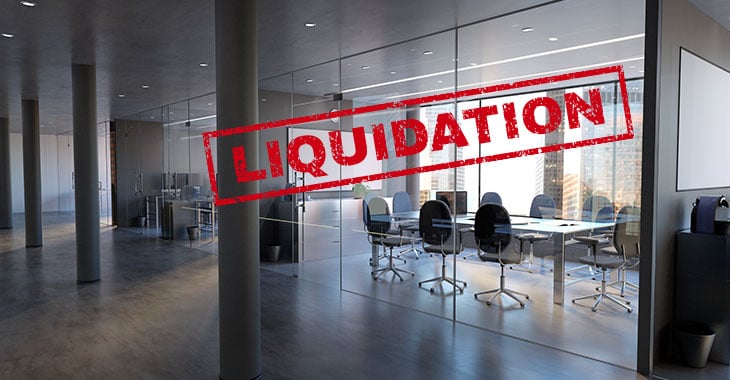
Liquidation or dissolution is a term which is used when a company decides to dissolve and materialize all its assets. This usually occurs when the company is deemed insolvent, i.e. cannot pay its debts when they are due. As a result, it collects and materialises its assets to settle its obligations and eventually comes to an end.
The liquidation (dissolution) or wound-up method can be either voluntary or compulsory. The Board of Directors must select the most suitable mechanism for the dissolution of a company, depending on the circumstances. The Companies Law, Cap. 113 regulates the procedures and requirements for the liquidation of Cyprus companies.
Voluntary Liquidation
Article 261 of the Companies Law, Cap. 113, outlines the circumstances in which a company may be liquidated voluntarily, namely:
- when the period of the company’s duration, if any, (set by the articles of association of a company) expires; or
- when a particular event occurs, the occurrence of which was set in the articles of association to mean the dissolution of the company;
- when a company votes by special resolution its voluntary liquidation;
- when a company votes by extraordinary resolution that, due to its obligations, it may not continue operating and liquidation is advisable.
Article 262(1) provides for the notice of resolution for voluntary liquidation after a company has approved it. The company must deliver a copy of such notice to the Registrar of Companies within 15 days from its approval. The Registrar of Companies proceeds to its registration and arranges for its publication in the Official Gazette of the Republic. The voluntary liquidation date of commencement is considered to be the date of approval of the relevant resolution.
Voluntary liquidation can be made either by the members of the company or by its creditors. Different requirements apply for each case.
1. Voluntary Liquidation by Members
One or more members of a company may decide to dissolve it voluntarily, considering that they are solvent shareholders. The directors must make a statutory declaration that the company can pay its debts within 12 months from the commencement of the procedure.
The Solvency Declaration must be accompanied by a Statement of Assets and Liabilities up to the date of the declaration. The company members arrange a general meeting to pass a special resolution declaring the voluntary liquidation and appointing a liquidator. The appointed liquidator must check and collect the company’s assets to be realized and paid to the creditors.
Any surplus is returned to the shareholders. In the final general meeting, the liquidator submits to the company members the final liquidation accounts and explains their conduct. The accounts must also be submitted to the Registrar of Companies.
The company is dissolved within 3 months from the filing of the returns.
The directors must prepare the following documents and present them during the meeting:
- Audited financial statements which are relevant to the liquidation date;
- A solvency statement confirming that the company can pay all its debts;
- A written resolution approving the solvency statement.
2. Voluntary Liquidation by Creditors
When a company is insolvent, i.e. cannot pay its liabilities, it can only proceed with a voluntary liquidation by its creditors.
Both the members and the creditors must hold a meeting to decide upon the appointment of one or more liquidators. The creditors may also appoint an inspection committee if deemed appropriate. The liquidators shall arrange for the liquidation of the company’s affairs, and then send notices for the final meetings.
Finally, the liquidators submit the Final Liquidation Account which will lead to the dissolution of the company.
The company directors must prepare the following documents prior to the meeting:
- A statement of their position on the company’s affairs;
- A list of the creditors and an estimated amount of their claims;
Furthermore, they must send a notice simultaneously to both the creditors and the shareholders. Such notices of the meeting must also be published in the Official Gazette and at least 2 local newspapers.
If coronavirus stress has forced your company into financial discomfort, a legal expert in Cyprus can analyze all possible choices you may have. From restructuring processes including administration, through to closure considerations such as company liquidation in case the prospect of recovery is reduced.
Compulsory Liquidation (By Court)
A creditor, a contributor or any other interested party can file an application to the court for the company’s liquidation. Subsequently, the court will issue an order to that effect.
According to Article 211 of the Companies Law, a company may be wound up by Court in the following circumstance:
- the company has decided by special resolution for its liquidation by the Court;
- the company failed to submit the statutory report to the Registrar of Companies or to hold the statutory meeting;
- the company does not commence its business within a year from its incorporation or suspends its business for a year;
- in case of a public company, the number of members is reduced below 7 and either it declares inability to increase the number or is unable to increase it within the time given by the Court;
- the company is unable to pay its debts;
- the Court believes that it is fair and in accordance with the law of leniency to dissolve the company.
Other grounds include a request for the court to exercise its discretionary powers, where it is just and equitable. Furthermore, where a European company (SE) fails to provide a remedy under Article 64 of Regulation (EC) no. 2157/2001.

The Court appoints a Liquidator, who must act in accordance with a Statement of Affairs, prepared and submitted by the company’s directors. The document includes the company’s affairs, such as details of its assets and liabilities, creditors’ details, securities and other information.
The liquidator follows the same steps as in a voluntary liquidation: locate the assets to be materialised for the payment of the fees and expenses, preferential debts and secured and unsecured creditors. The liquidator must prepare statements of receipts and payments on a six-monthly basis. Such statements must contain information about the accounts of the procedure, and be submitted to the Registrar of Companies.
Strike-Off Companies Register
Strike-Off The Companies’ Registry is an alternative way to dissolve a company.
It applies to dormant companies or those who have ceased to operate and have no assets, nor do they intend to pursue their business activities in the future.
The strike-off is an administrative procedure which takes effect from a notice sent by the Registrar of Companies to the company in question or vice versa. In effect, this method is used when the Registrar of Companies is satisfied that the company in question is no longer active and has no assets.
The company must fulfil all its statutory obligations and settle its affairs:
- close all bank accounts worldwide,
- de-register from the VAT services, and
- obtain a Tax Clearance Certificate from the Tax Department.
The registered owners of the business bank accounts must contact the bank institutions and request their closure. Similarly, they can request the de-registration of their company name from the VAT. Once the shareholders have paid off all the pending taxes, they receive a Tax Clearance Certificate from the Tax Department.
The liquidation or wound-up method can be either voluntary or compulsory. The Board of Directors must select the most suitable mechanism for the dissolution of a company, depending on the circumstances.
Comparisons of dissolution processes in Cyprus
Voluntary liquidation is a more complex and costly method than compulsory liquidation. It takes about 12 months or more to complete and there is a requirement to appoint one or more liquidators.
On the other hand, the strike-off method is the easiest and cheapest method. There is no need to appoint any liquidators and takes 4-9 months to complete.
The law imposes greater control on court-based compulsory liquidations (i.e. the requirement to periodic filings), contrary to voluntary ones.
Restoration
A liquidated company can be restored after a petition from any of its members or creditors. The application must be filed to the court within 20 years from the publication of the liquidation notice. The Registrar of Companies sets out several conditions which must be satisfied for a company to be restored. These include submission of all pending financial statements, audited accounts, annual returns, and payment of any pending company levies. If successful, the court issues an order restoring the name of the company in the same position before its liquidation. The Registrar of Companies must receive a copy of the court order.
Summarizing
Unfortunately a great number of companies have endured incomparable challenges during the Covid-19 pandemic. These challenges may have pushed their business to a breaking point.
While the financial help given by the government to relieve the impact of Covid-19 to businesses, sometimes this cannot be enough to keep them operational. If Covid-19 has led you to consider whether liquidation is the only viable next step for your company, it is crucial you look for assistance of legal experts.
Our team of lawyers can help you through your options if you need to liquidate your company. Feel free to contact us at [email protected]
Guidance
Following the strike off from the companies register, the company is dissolved and all its assets, as well as the rights it possessed before its dissolution (other than assets held by the company on trust for another person), are considered bona vacantia and belong to the Cyprus Republic.
The liability, if any, of the directors, any officer and any member of the company, continues to exist even after the company’s strike off and, may be executed as if the company had never been dissolved.
Status Dissolved: Everything You Need to Know
Status dissolved companies have been formally closed down. Not only does that mean it no longer operates, but there are also other matters that need attending to. All assets and liabilities must be addressed, similar to the process of settling the estate of someone who has passed away.
There are many reasons that a company may choose to dissolve, such as when the owner decides to retire or if the company simply is no longer active. However, dissolving a business does not get rid of any debts it owes. If creditors are not notified of the company’s dissolution, the owners may be subject to litigation.
Paperwork Needed to Dissolve a Business
Various forms need to be completed and submitted for filing to dissolve a business. These include:
- A resolution to dissolve by the owners or board of directors.
- Approval to dissolve by the shareholders, who must vote on the resolution.
- Articles of dissolution, filed with the secretary of state office. This must be the same state where the business was formed.
Other requirements vary by state. For example, some states require a two-thirds majority vote, while others permit a majority of any ratio.
The next step in dissolving a business is notifying all of the company’s creditors and making sure all debts are paid before the business can be wrapped up. During this process, the company may not sign any new business contracts, but it must fulfill all terms of existing ones.
Liquidating and Distributing Assets
All property that is owned by a business is sold off. If the property is used as loan collateral, the loan must be paid off before it is sold, or the property must be transferred to the lender. If a business is insolvent at the time that it’s dissolved, it may not be able to liquidate all of its assets.
Liabilities include any business obligations, which may include items or services that customers have paid for and the company has not yet delivered. It also includes any debts. These need to be settled before dissolution can progress.
Any remaining assets are distributed to the company’s shareholders according to the number of shares each owns. Form 1099-DIV must be filed with the IRS and also given to these shareholders because these distributions need to be reported.
Tax Requirements
Companies that dissolve must file a final tax return. This document must report all of the business’s financial activity in detail, and the “final return” box in Item E must be checked off.
The company needs to cancel its federal tax ID number or Employer Identification Number. This is a simple process: the company needs to send the IRS a letter saying it no longer needs the EIN because it is dissolving.
Can a Dissolved Company Be Re-Opened?
There are many reasons that a corporation can be dissolved. However, it is usually possible to re-open the corporation. Each state has its own laws regarding the process for re-opening a business that has dissolved, or even governing whether it’s allowed to re-open at all.
Most states do not allow dissolved corporations to be reactivated if they voluntarily dissolved. However, there is no reason that corporation cannot be re-formed using the same process of registration as if it were brand new. It may even use the same name as long as it’s still available for use. Keep in mind that if this occurs, the corporation will then be a totally different entity from the old, dissolved company.
If the corporation was involuntarily dissolved due to failure to file annual reports or other paperwork, most states allow that corporation to be reactivated by filing the missing reports, paying overdue taxes, or otherwise fulfilling missing requirements. A filing fee is also required. After this is done, the company returns to good standing.
However, even though the process of re-activating an administratively dissolved or involuntarily dissolved company is straightforward and easy to do, it should be avoided for many reasons. Business owners may lose their liability protection, for one thing. For another, if the company has lapsed for five years, it may not be reinstated. If it continues to do business anyway, it will be treated as a sole proprietorship or partnership.
If you need more information or help with dissolving a company you can post your legal need on UpCounsel’s marketplace. UpCounsel accepts only the top 5 percent of lawyers to its site. Lawyers on UpCounsel come from law schools such as Harvard Law and Yale Law and average 14 years of legal experience, including work with or on behalf of companies like Google, Menlo Ventures, and Airbnb.